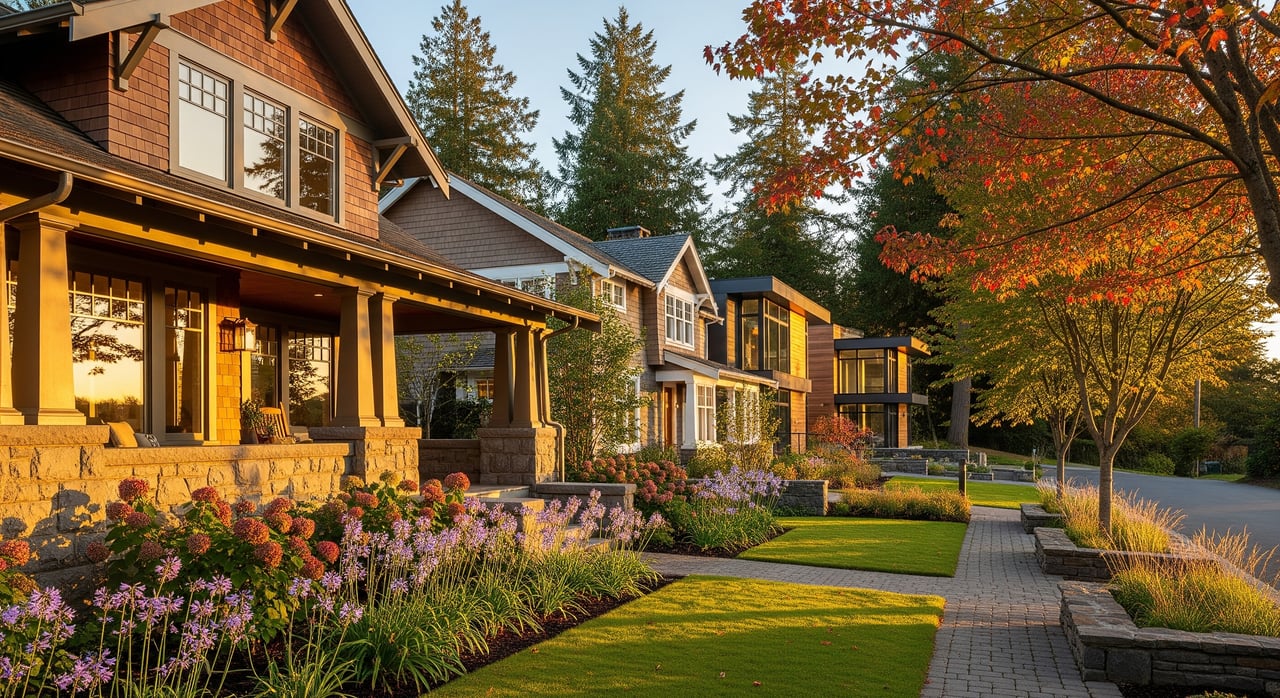
Wondering how to tell a classic Craftsman from a sleek contemporary in Camas? You are not alone. When you start touring homes here, you will see a mix of early 1900s charm, mid‑century practicality, and modern, light‑filled designs. A clear guide helps you match style to lifestyle and budget, and plan upgrades the smart way.
In this post, you will learn how to spot each major Camas home style, what typical floor plans look like by era, where styles tend to cluster, and what to check during inspections. You will also get simple photography tips to showcase your home’s best features when you sell. Let’s dive in.
Why Camas homes look this way
Camas grew from a late 19th‑century mill town into a small regional hub. That history left a pocket of early Craftsman and bungalow homes near downtown and along older streets. Post‑war growth added ranches and split‑levels. Another wave of development in the 1990s and 2000s brought planned neighborhoods with neo‑eclectic and contemporary designs.
The Pacific Northwest climate also shaped local architecture. Wet winters and mild summers favor pitched roofs, overhangs, and covered porches. Wood siding is common, and proper drainage, flashing, and exterior finishes are essential to prevent moisture damage.
Finally, lakes and green spaces matter here. Proximity to Lacamas Lake, Lacamas Creek, and hillside terrain can influence lot sizes, shapes, and landscaping rules. Shoreline buffers or steep‑slope conditions may apply, so plan ahead before major exterior changes.
Camas home styles guide
Craftsman and Bungalow (1900s–1930s)
- How to spot it:
- Low‑pitched gabled roof with wide eaves and exposed rafters.
- Tapered porch columns on stone or brick piers and decorative brackets.
- Built‑ins, multi‑pane upper windows, natural wood trim.
- Typical layout:
- Compact plan with a formal living and dining room and 2 to 3 bedrooms.
- Usable attic or basement is common, plus a welcoming front porch.
- Finishes and systems:
- Original hardwoods, plaster walls, and single‑pane windows unless upgraded.
- Buyer notes:
- Expect updates for insulation, electrical, and plumbing in older examples.
- If you renovate, preserve trim proportions and built‑ins for character.
Colonial Revival and Period Revival (1910s–1940s)
- How to spot it:
- Symmetrical front, centered entry with a pediment or small portico.
- Multi‑pane windows and classical details. Some local examples show Tudor or Dutch Colonial hints.
- Typical layout:
- Formal rooms on the main level, bedrooms upstairs, and a full basement.
- Buyer notes:
- Mechanical systems often need modernizing. If you want an open plan, plan for structural design work.
Post‑war Ranch and Split‑Level (1940s–1970s)
- How to spot it:
- Ranch: single story, low roofline, attached garage.
- Split‑level: entry landing with short sets of stairs up and down.
- Typical layout:
- Ranch: more open living, kitchen, and dining areas over time; bedrooms grouped on one side.
- Split‑level: living area separated from a lower family or bonus room.
- Finishes and systems:
- Mid‑century materials may include asbestos components in some homes. Original heating and electrical can be older.
- Buyer notes:
- Easy to open kitchens and living spaces in many ranches. Single‑level living is convenient. Check roof, foundation, and potential retrofits.
Mid‑Century Modern (1940s–1970s)
- How to spot it:
- Clean horizontal lines, big windows or clerestories, and indoor‑outdoor flow.
- Minimal ornamentation with strong integration to the site.
- Typical layout:
- Open living areas that connect to patios and outdoor spaces.
- Buyer notes:
- Large glass can affect energy performance. Respect the original look if you upgrade windows. Low or flat roofs require diligent drainage and maintenance.
Neo‑Eclectic and Suburban (1990s–2010s)
- How to spot it:
- A mix of traditional details with modern massing, often two stories.
- Prominent attached garage and varied gables.
- Typical layout:
- Open great room, informal dining, generous primary suite, multiple baths, and 2 to 3 car garages.
- Finishes and systems:
- Newer HVAC and electrical. Fit and finish vary by builder and upgrades.
- Buyer notes:
- Energy efficiency is generally better. Lots may be smaller. Planned communities can include HOA fees, so review community documents.
Contemporary and Modern New Construction (2000s–present)
- How to spot it:
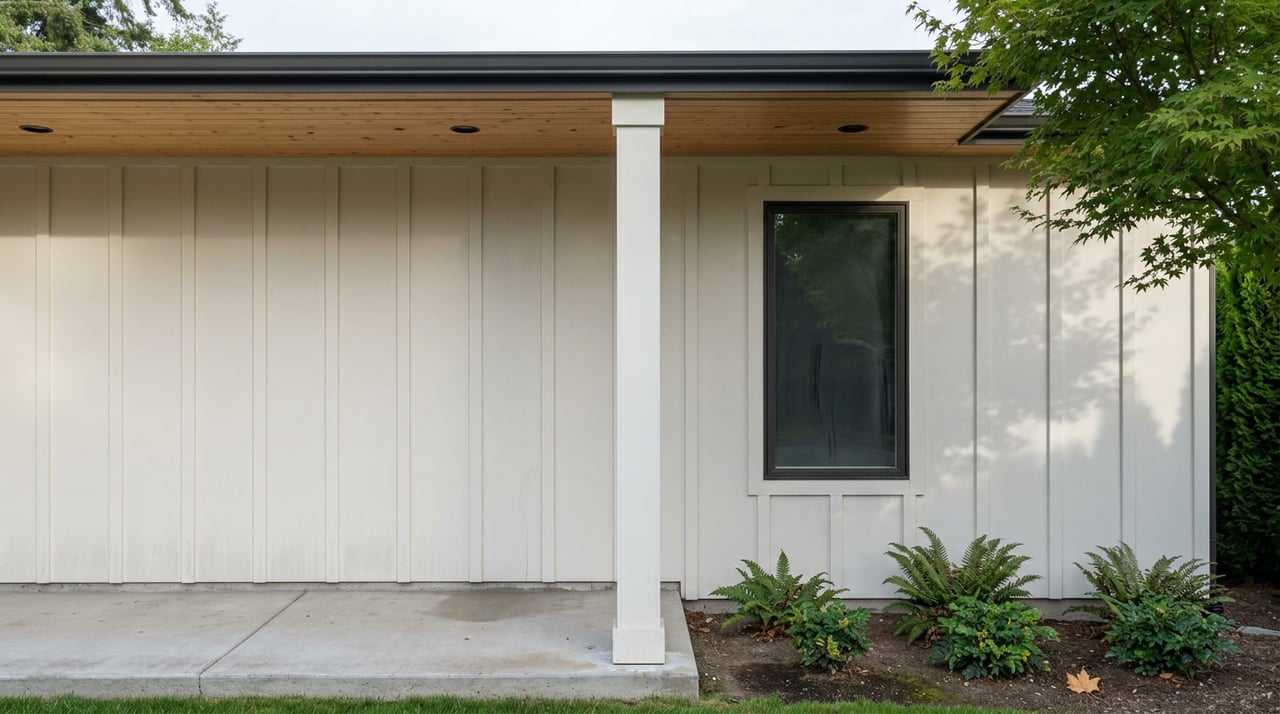
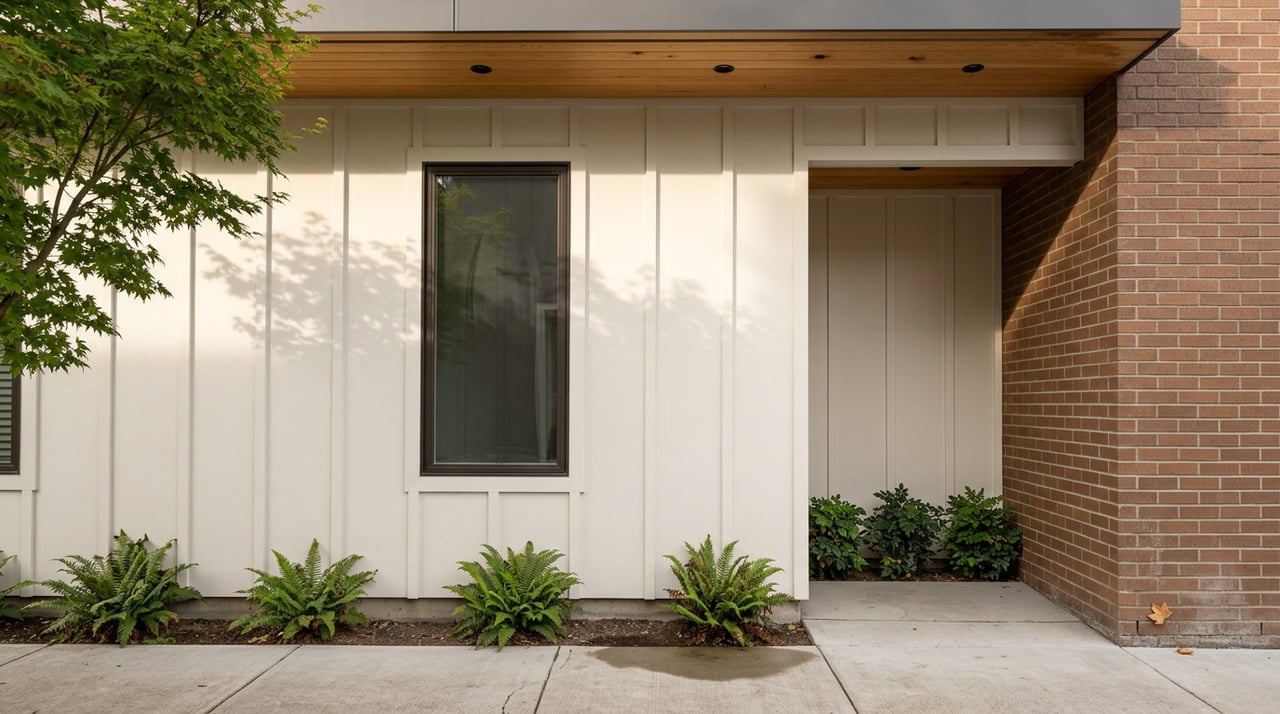
- Clean lines, large windows, and sliding doors to outdoor living.
- High‑end finishes and energy‑efficient systems like heat pumps and tankless water heaters.
- Typical layout:
- Open kitchen‑centered plans, larger primary suites, and dedicated office spaces.
- Buyer notes:
- Higher purchase prices reflect newer systems and finishes, with lower near‑term maintenance. Confirm builder reputation and warranties.
Cottage and Small‑Infill Homes (various eras)
- How to spot it:
- Smaller footprints, porches, and gabled roofs with charming details.
- Buyer notes:
- Low‑maintenance lots are appealing. Check setbacks, parking, and storage solutions to fit your needs.
Neighborhood fit and budgets
Near downtown and Lacamas Lake
- What you will see:
- Craftsman, bungalows, and early revival homes. Some renovated cottages.
- Who it fits:
- Buyers who like character and proximity to parks, shops, and community amenities.
- Budget notes:
- Location appeal can command a premium. Plan for system upgrades in older properties.
Mid‑century suburbs
- What you will see:
- Ranches, split‑levels, and occasional mid‑century modern designs.
- Who it fits:
- Buyers who want single‑level options, larger yards, or room to modernize.
- Renovation notes:
- Good candidates for open kitchens and family rooms. Evaluate older mechanicals and materials.
Newer planned communities
- What you will see:
- Neo‑eclectic and contemporary homes, plus some townhome or cluster layouts.
- Who it fits:
- Buyers seeking modern systems, open plans, and neighborhood trails or parks.
- Budget notes:
- Newer homes can have smaller lots. HOA fees may apply; review before you buy.
Waterfront and lake‑adjacent areas
- What you will see:
- A mix of older cottages and newer custom homes.
- Who it fits:
- Buyers prioritizing views and outdoor living.
- Planning notes:
- Shoreline and environmental rules can affect landscaping and exterior projects. Verify requirements early.
Inspection and renovation tips by era
- Mechanical systems and energy:
- Older homes may need electrical upgrades, plumbing replacement, insulation improvements, and window updates. Newer homes usually have modern HVAC and electrical, but confirm permits and warranties.
- Structure and site:
- In any era, review foundation condition and drainage, especially on sloped lots. Low‑slope and complex roofs need careful inspection.
- Environmental items:
- Pre‑1978 homes can have lead paint. Some mid‑century homes include asbestos materials. Mold risk exists in damp climates. Order targeted inspections based on build year.
- Historic considerations:
- If a property sits in a historic district or is designated, exterior changes may require review. Interior projects are more flexible, yet you should still check rules before work.
- Permits and past work:
- Additions and finished basements sometimes lack permits. Verify records and inspect for code compliance.
- Accessibility and modernization:
- Older layouts can have narrow halls and smaller baths. Budget for reconfiguration if you want an open plan or improved accessibility.
Photography tips that sell style
Strong photos help buyers feel the layout, finishes, and setting. Use these simple tactics to present your home at its best.
- Timing and light:
- Shoot exteriors at golden hour for warm curb appeal. Choose overcast days for interiors to avoid harsh window contrast.
- Gear and composition:
- Use a wide‑angle lens without distortion and a tripod for level lines. Bracket exposures to balance bright windows and interior details.
- Styling and staging:
- Declutter, remove personal items, and keep a neutral palette. Leave a few era‑appropriate accents to highlight character.
- Style‑specific shots:
- Craftsman and Bungalow: front porch and columns, living room with built‑ins and fireplace, close‑ups of trim, kitchen, and yard.
- Mid‑Century Modern: façade with horizontal lines, main living area showing indoor‑outdoor flow, clerestory windows, and patio integration.
- Ranch and Split‑Level: angled front showing roofline and lot, continuous living‑kitchen flow, lower‑level family room, and yard access.
- Neo‑Eclectic and Suburban: curb view with garage placement, great room and kitchen, primary suite, backyard and patio.
- Contemporary and New Construction: wide open‑plan shots, finish details, large windows and views, and visible energy‑efficient features.
- Extra marketing assets:
- A simple floor plan diagram helps buyers understand the layout quickly. Add a short video walkthrough and, where allowed, aerial images to show lot and proximity to parks and lakes.
Putting it all together
Choosing the right home style in Camas starts with how you live. Do you want single‑level convenience, historic character, or a turnkey modern plan with flexible spaces? Match your needs to the era and neighborhood, then plan inspections and upgrades that protect your investment.
If you are thinking about buying or prepping your home for market, our team pairs local guidance with premium listing production to help you move with confidence. Connect with Parker Home Group for clear next steps, market‑smart presentation, and attentive service from start to finish.
FAQs
How do I tell Craftsman from Ranch in Camas?
- Craftsman homes show early 20th‑century details like exposed rafters, tapered porch columns, and built‑ins, usually with a smaller footprint. Ranch homes are mid‑century, single‑story with a low roofline and an attached garage.
Are older Camas homes more expensive to maintain?
- They can be due to electrical, plumbing, insulation, and window upgrades, though thoughtful renovation can add value and retain charm. Newer homes trade a higher upfront price for modern systems and lower near‑term maintenance.
Do Camas historic areas limit exterior changes?
- Potentially. If a property is in a designated historic district or on a register, exterior alterations may require review and permits. Interior work is usually more flexible, but always confirm rules first.
What should families prioritize when picking a style?
- Start with layout and daily flow, single‑level versus multi‑level living, number of bedrooms, and proximity to parks and community amenities. Then weigh character features against a desire for turnkey systems.
What does it cost to open a floor plan or update a kitchen?
- Costs vary widely by scope and structure. Opening load‑bearing walls or adding beams increases expense. Always consult a qualified contractor and verify permits before work.